We unearth the human truth beneath the code
At Narrative Capital, we help tech founders transform their complex innovation into a heartfelt cinema asset that secures capital and attracts world-class talent.
The Storyteller for Tech founders

I teach documentary storytelling at Northern Arizona University, and I research why some stories make people act, while others don't.
While filming my documentary on ambient pioneer Steve Roach, I realized his origin story was being lost to his gear. His synthesizers were plastic and metal, but his vision was born in the desert. To tell his story I had to get past the technology—out into the desert landscapes, and into his studio, the “shaman’s cave.”
Founders face the same problem. The breakthrough is real, but it’s buried beneath the spec sheet.
I’m the Ethnographer of Tech with a PhD from NYU and research roots at MIT. Through Narrative Capital, I find the human truth under the technology and build it into a film investors can feel.
Using a 4-step Ethnographic Storytelling Framework — the same doctoral-level rigor used to study human behavior — we delve beneath the surface complexity of tech (a "tax" that hinders clear communication to your potential clients and prevents deep human connection) to discover the narratives driving human experience.
1. Fieldwork
2. Narrative Blueprint
3. Sensory Engineering
4. Strategic Asset

Deep-tech founders face the problem of communicating their new tech. It's a real breakthrough, but little of
it comes through to an potential investors when explained. Specs don't move capital. Jargon doesn't move talent.
overcoming the complexity tax

EVERY ASSET WE BUILD GIVES EQUAL WEIGHT TO THREE ELEMENTS: IMAGE, SOUND, AND INTERVIEW.
Most video production starts with what you want to say. We start with image and sound,
the visual storytelling that hooks potential investors into your story.
We build your Strategic Cinema Asset around a way of knowing that goes beyond words, a sensory, bodily knowledge, where potential investors feel it through their senses.

Sound.
Our sound design carries the same narrative weight as the image. We use Walter Murch's and Ernst Karel's sound design techniques to shape the frequencies, rhythms, and patterns
of the natural sound environment.

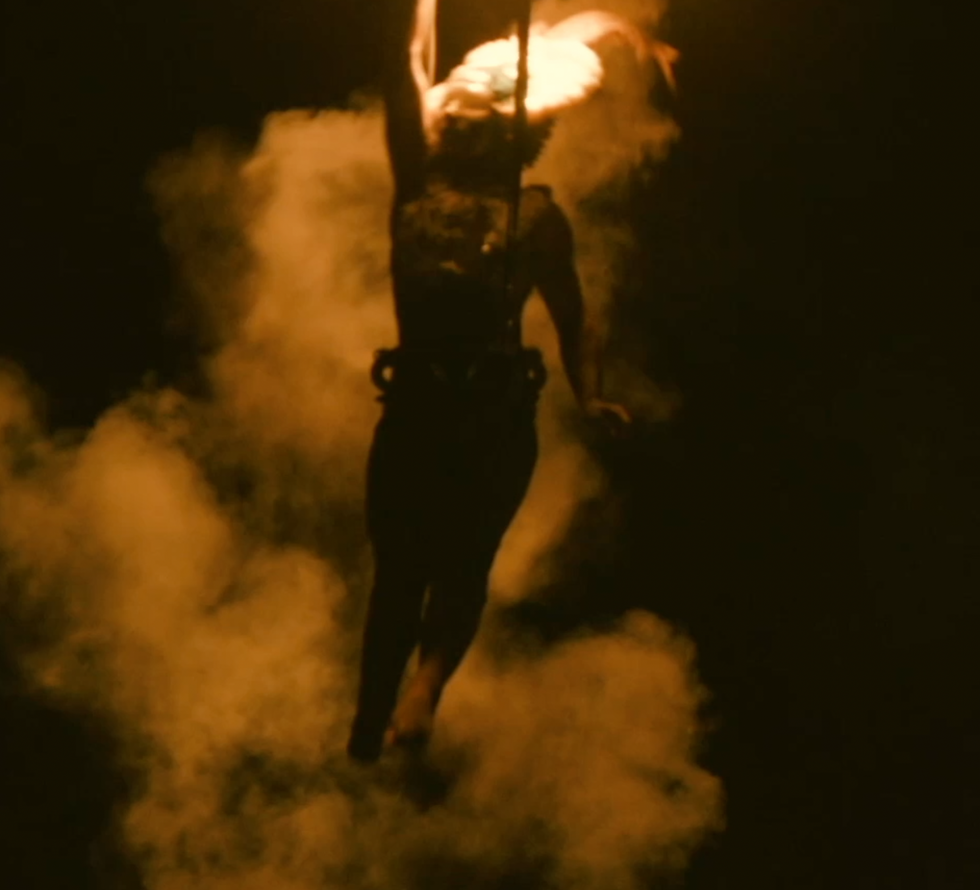
Strategic Asset
A corporate video explains. A Strategic Cinema Asset
makes the room feel the work. The method comes from
the same tradition that gave us Harvard University's
Sensory Ethnography Lab. We not only show you the
scene, we make you feel it.
Image.
Not wall paper B-roll, but visual presence. A held shot from where a body stands, showing your work the way it's lived, not staged for the camera. We take "show, don't tell" to heart.

Interviews
Present and necessary, but wall-to-wall talking does not exist in our projects. Your own words matter, but they're one part of the film.
If words are telling the investor how to think and feel about your work, your product, we've failed at the thing we were hired to do.
Interviews.
Present and necessary, but wall-to-wall talking does not exist in our projects. Your own words matter, but they're one part of the film.
If words are telling the investor how to think and feel about your work, your product, we've failed at the thing we were hired to do.
Sound.
Our sound design carries the same narrative weight as the image. We use Walter Murch's and Ernst Karel's sound design techniques to shape the frequencies, rhythms, and patterns
of the natural sound environment.
Strategic Asset.
A corporate video explains. A Strategic Cinema Asset
makes the room feel the work. The method comes from
the same tradition that gave us Harvard University's
Sensory Ethnography Lab. We not only show you the
scene, we make you feel it.
WHAT THE EXPERTS SAY

— Donald Miller, authror of Building a Story Brand
"We have to work really hard when we are communicating information to people who don't have the same level of expertise that we have."
"[W]e'll lose to an inferior product if our competitor's offer is communicated more clearly."
"What if the problem wasn't the product? What if it was the way we talked about the product?"
Why experts struggle to explain their work
— Miro Kazakoff, MIT Senior Lecturer

— Katie Deighton, WSJ
"Executives said 'storyteller' or 'story-telling' on earnings calls and investor days 469 times in 2025 — versus 147 times in 2015."
Companies Are Desperately Seeking Storytellers
